

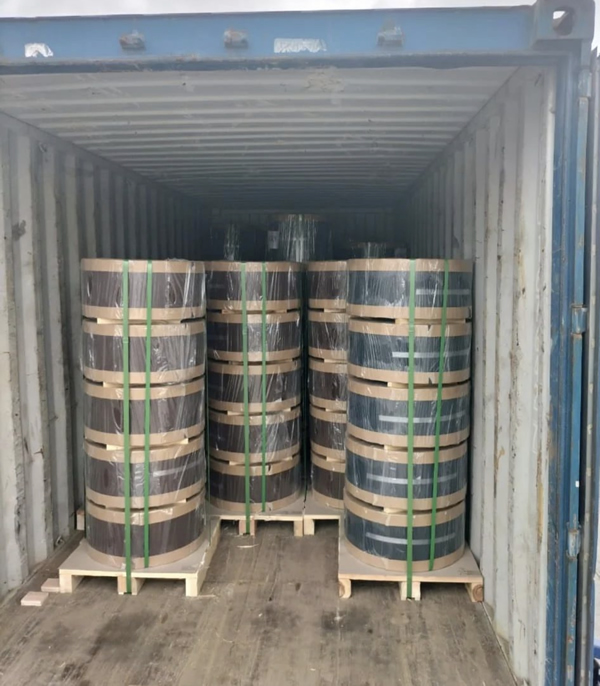
Aluminum coil import and export activities can vary significantly depending on global market conditions, trade policies, and the specific needs of industries that use aluminum coils. Here’s a general overview of factors that may influence aluminum coil import and export trends over a decade:
Global Demand
- The demand for aluminum coils is influenced by various industries, including automotive, aerospace, construction, packaging, and electronics. Economic growth, infrastructure development, and technological advancements can drive changes in demand over time.
Production Capacity
- Countries with significant aluminum production capabilities, such as China, the United States, and Russia, often play a crucial role in both exporting and importing aluminum coils. Changes in production capacity can impact trade patterns.
Trade Policies and Tariffs
- Trade policies and tariff disputes between countries can affect the import and export of aluminum coils. Trade tensions may lead to changes in trade volumes and pricing.
Market Dynamics
- Fluctuations in aluminum prices, supply chain disruptions, and changes in manufacturing technology can influence market dynamics, affecting import and export trends.
Environmental Regulations
- Environmental concerns and regulations related to aluminum production can shape trade patterns by influencing production methods and costs.
End-User Industries
- The specific industries using aluminum coils can have varying demands based on their economic conditions. For instance, the automotive sector’s demand for aluminum coils may change based on consumer preferences and fuel efficiency standards.
Geopolitical Factors
- Geopolitical events and regional developments can impact trade relationships and trade routes for aluminum coils.
Currency Exchange Rates
- Exchange rate fluctuations can affect the competitiveness of imported and exported aluminum coils.
Raw Material Prices
- The cost of aluminum raw materials, such as bauxite and alumina, can affect the overall cost of producing aluminum coils, influencing trade decisions.